
Jeep Wrangler body parts are more than just components; they’re the building blocks of an iconic off-road legend. Understanding these parts—from the rugged fenders to the durable doors—is crucial for both maintaining your Wrangler’s performance and customizing its look. This guide delves into the intricacies of Wrangler body components, exploring their function, common issues, and available aftermarket options. We’ll cover everything from minor cosmetic upgrades to major structural replacements, providing insights for both seasoned Jeep enthusiasts and newcomers alike.
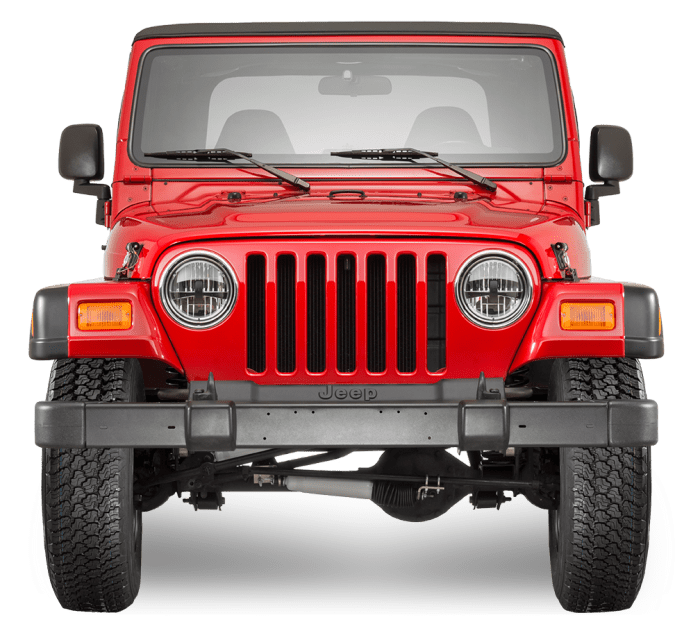
This exploration will cover the various body panels, their materials, common wear points, and the options available for repair or replacement. We’ll also discuss the impact of different body modifications on the overall functionality and aesthetic of your Jeep Wrangler. Understanding these elements allows for informed decisions regarding maintenance, customization, and ultimately, maximizing your off-road experience.
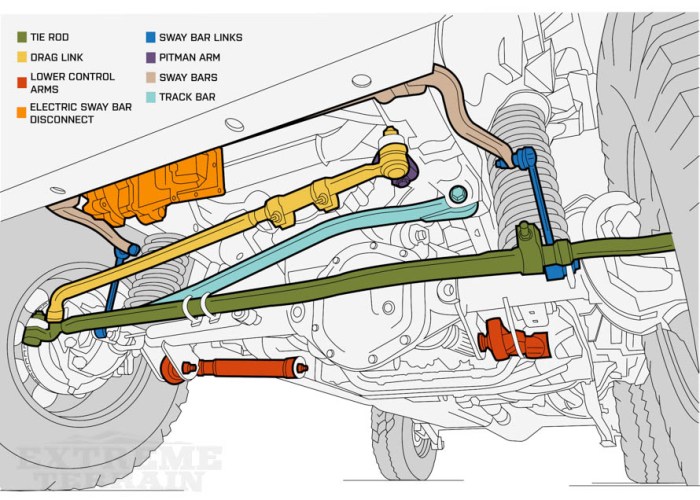
The Jeep Wrangler, a legendary off-road vehicle, is known for its rugged durability and customizable nature. Understanding its body parts is crucial for both maintaining its performance and enhancing its capabilities. This comprehensive guide delves into the various components that make up the Wrangler’s body, covering everything from its iconic exterior to the less visible but equally important interior parts.
We’ll explore common issues, replacement options, and aftermarket upgrades, providing you with a complete picture of Jeep Wrangler body parts.

Exterior Body Parts: Defining the Wrangler’s Rugged Look
The Wrangler’s exterior is its most striking feature, instantly recognizable for its boxy design and robust construction. Let’s break down the key components:
Body Panels: The Foundation of the Wrangler’s Design
- Hood: Protects the engine and contributes significantly to the Wrangler’s distinctive profile. Often customized with aftermarket vents or scoops for improved engine cooling.
- Fenders: Protect the wheels and tires from debris. Wrangler fenders are often wider than other vehicles to accommodate larger tires. Aftermarket options offer increased clearance for even bigger off-road tires.
- Doors: While standard on most Wranglers, removable doors are a hallmark feature, allowing for open-air driving. These doors require careful storage and can be prone to damage if not handled properly. Replacement doors are readily available, both OEM and aftermarket.
- Roof Panels: From hardtops to soft tops and sunrider options, the Wrangler’s roof is highly customizable. Replacing or upgrading the roof panels is a common modification, impacting both the vehicle’s aesthetics and functionality.
- Tailgate: Provides access to the cargo area. Often equipped with a swing-away tire carrier, adding to the Wrangler’s off-road capabilities. Tailgate hinges and latches can wear out over time, requiring replacement.
- Body Tub: The main structural component of the Wrangler, providing the foundation for all other body parts. Damage to the body tub can be costly to repair and often necessitates professional bodywork.
Exterior Trim & Accessories: Personalizing Your Wrangler
- Bumpers: Protect the front and rear of the vehicle from impacts. Aftermarket bumpers often offer increased strength and integrated recovery points for off-road use.
- Grill: The iconic seven-slot grille is a defining feature of the Jeep brand. Aftermarket grilles are available in various styles and materials.
- Side Steps/Rock Rails: Provide additional protection and assist with entry and exit. Rock rails are particularly useful for off-roading, protecting the vehicle’s sides from damage.
- Lighting: Headlights, taillights, and fog lights are essential for safety. Upgrading to LED lighting is a popular modification, improving visibility and aesthetics.
- Mirrors: Essential for safe driving. Aftermarket mirrors are available with different styles and features, such as heated elements or integrated turn signals.
Interior Body Parts: Comfort and Functionality Inside
While the exterior defines the Wrangler’s rugged persona, the interior provides comfort and functionality for the driver and passengers.
Dashboards, Consoles, and Door Panels: The Cockpit’s Components
- Dashboard: Houses the instrument cluster, infotainment system, and climate controls. Damage to the dashboard can be a result of accidents or wear and tear.
- Center Console: Provides storage space and houses controls for various vehicle functions. Aftermarket consoles can enhance storage and add features.
- Door Panels: Protect the interior door mechanisms and provide armrests. Door panel replacement is often necessary due to wear and tear or damage.
- Seats: Provide comfort for the driver and passengers. Aftermarket seats are available in various materials and designs, enhancing both comfort and style.
- Steering Wheel: Controls the direction of the vehicle. Aftermarket steering wheels offer different sizes, grips, and materials.
Interior Trim and Accessories: Enhancing the Cabin, Jeep Wrangler body parts
- Carpet/Floor Mats: Protect the interior floor from dirt and debris. Aftermarket floor mats offer various materials and styles.
- Headliner: Covers the interior roof. Headliner replacement is sometimes necessary due to sagging or damage.
- Interior Lighting: Provides illumination for the cabin. Upgrading to LED lighting improves visibility and aesthetics.
Common Issues and Replacement Parts
Over time, certain Jeep Wrangler body parts are prone to wear and tear. Understanding common issues can help you proactively address potential problems:
- Rust: Especially prevalent in areas with harsh winters, rust can affect various body panels and components. Regular cleaning and preventative treatments are crucial.
- Dents and Scratches: Off-roading can lead to dents and scratches on the body panels. Repair options range from DIY touch-ups to professional bodywork.
- Broken or Worn-Out Parts: Hinges, latches, and other small parts can break or wear out over time. Replacement parts are readily available from Jeep dealerships or aftermarket suppliers.
- Weather Stripping: Deterioration of weather stripping can lead to leaks and drafts. Replacement weather stripping is an inexpensive way to improve the vehicle’s sealing.
Finding Replacement Parts: OEM vs. Aftermarket
When it comes to replacing Jeep Wrangler body parts, you have two main options: Original Equipment Manufacturer (OEM) parts and aftermarket parts.
- OEM Parts: These are parts manufactured by Jeep and are designed to meet the vehicle’s specifications. They are typically more expensive but offer a guaranteed fit and quality.
- Aftermarket Parts: These are parts manufactured by third-party companies. They can offer a wider range of choices, styles, and price points, but quality can vary.
Frequently Asked Questions (FAQ)
- Q: Where can I find Jeep Wrangler body parts? A: Jeep dealerships, online retailers specializing in Jeep parts, and local auto parts stores are all good sources.
- Q: How much do Jeep Wrangler body parts cost? A: The cost varies greatly depending on the part, its condition (new or used), and whether it’s OEM or aftermarket.
- Q: Can I install Jeep Wrangler body parts myself? A: Some parts are relatively easy to install, while others require mechanical skills and specialized tools. Always consult a repair manual or seek professional help if needed.
- Q: What are the most common modifications to the Jeep Wrangler body? A: Popular modifications include adding lift kits, installing larger tires, replacing bumpers, adding rock sliders, and changing the roof.
- Q: How do I prevent rust on my Jeep Wrangler? A: Regular washing, undercoating, and applying rust inhibitors are crucial for preventing rust.
References
Call to Action
Ready to upgrade or repair your Jeep Wrangler? Explore our wide selection of high-quality OEM and aftermarket body parts today! Click here to browse our catalog and find the perfect parts for your off-road adventures.
FAQ Resource: Jeep Wrangler Body Parts
What materials are typically used for Jeep Wrangler body parts?
Common materials include steel, aluminum, and various types of plastic composites, depending on the specific part and model year.
How often should I inspect my Jeep Wrangler’s body parts for damage?
Regular inspections, especially after off-roading, are recommended. Look for rust, dents, cracks, and any signs of wear and tear.
Where can I find replacement Jeep Wrangler body parts?
Authorized Jeep dealers, online retailers specializing in Jeep parts, and salvage yards are all potential sources.