
Jeep Wrangler brake pads are a crucial component ensuring the safety and performance of your beloved off-road vehicle. Understanding their function, maintenance, and replacement is vital for any Wrangler owner. This guide delves into the specifics of choosing, installing, and maintaining the right brake pads for your Jeep Wrangler, ensuring optimal braking power and longevity. We’ll explore various types, common issues, and provide practical advice to keep your Wrangler stopping safely on and off the trail.
From identifying signs of wear and tear to selecting the appropriate replacement pads based on your driving style and terrain preferences, this guide offers a comprehensive overview. We will also discuss the importance of professional installation versus DIY options, highlighting the potential benefits and drawbacks of each approach. The goal is to empower Wrangler owners with the knowledge necessary to make informed decisions regarding their vehicle’s braking system.
The Jeep Wrangler, known for its rugged off-road capabilities, demands reliable braking performance. Choosing the right brake pads is crucial for safety and optimal braking efficiency, whether you’re conquering challenging trails or navigating city streets. This comprehensive guide dives deep into the world of Jeep Wrangler brake pads, covering everything from types and materials to replacement procedures and common issues.

Understanding Jeep Wrangler Brake Systems
Before delving into brake pads specifically, it’s important to understand the broader context of the Jeep Wrangler’s braking system. Different Wrangler models (JK, JL, JT) and years may have variations, but the fundamental components remain consistent. The system typically includes:
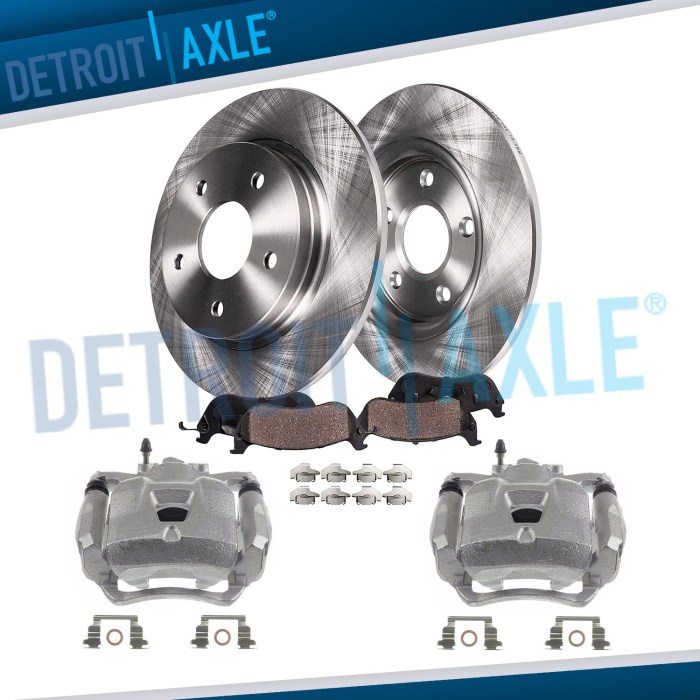
- Brake Calipers: These house the brake pads and squeeze them against the rotors when you apply the brakes.
- Brake Rotors (Discs): These metal discs rotate with the wheels and provide a surface for the brake pads to grip.
- Brake Pads: These friction materials are the focus of this guide. They are responsible for slowing and stopping the vehicle.
- Brake Lines and Hydraulic System: This system transmits pressure from the brake pedal to the calipers.
- Master Cylinder: This component converts pedal pressure into hydraulic pressure.
- ABS (Anti-lock Braking System): This system prevents wheel lockup during hard braking.
Types of Jeep Wrangler Brake Pads
Several types of brake pads cater to different driving styles and preferences. Understanding these differences is key to selecting the best pads for your Wrangler:
1. Organic Brake Pads
These are the most common type, typically made from a mixture of organic materials like rubber, resins, and fillers. They are relatively quiet, offer good stopping power in everyday driving, and are generally more affordable. However, they may wear out faster than other types and generate more dust.
2. Semi-Metallic Brake Pads
These pads contain a blend of metallic and non-metallic materials. They offer increased stopping power and longer lifespan compared to organic pads. They can be slightly noisier and generate more brake dust. A good choice for frequent off-road use or heavier towing.
3. Ceramic Brake Pads
These premium pads are made primarily from ceramic fibers. They are known for their quiet operation, reduced brake dust, and excellent stopping power. While more expensive, their longevity and cleaner operation make them a popular choice among many Wrangler owners.
4. Sintered Metal Brake Pads
These high-performance pads are designed for extreme conditions and demanding driving styles. They provide exceptional stopping power, even at high temperatures, but they can be quite noisy and generate considerable brake dust. They are typically reserved for serious off-road enthusiasts or competitive driving.
Choosing the Right Brake Pads for Your Jeep Wrangler
Selecting the appropriate brake pads depends on several factors:
- Driving Style: Aggressive off-road driving demands more robust pads than primarily on-road use.
- Budget: Organic pads are more affordable, while ceramic and sintered metal options are pricier.
- Climate: Extreme temperatures can impact pad performance; consider pads designed for high-temperature applications if needed.
- Towing Capacity: If you frequently tow heavy loads, you’ll need pads with increased stopping power.
- Noise Levels: Ceramic pads are generally quieter than semi-metallic or sintered metal pads.
- Brake Dust: Ceramic pads produce significantly less brake dust than other types.
Jeep Wrangler Brake Pad Replacement: A DIY Guide
Replacing brake pads is a relatively straightforward process for those with basic mechanical skills. However, safety should always be the top priority. If you’re uncomfortable performing the task yourself, it’s best to have a qualified mechanic handle the replacement.
Note: Always consult your vehicle’s repair manual for specific instructions and torque specifications. This is a general overview and may not apply to all Wrangler models and years.
- Gather Tools and Materials: You’ll need a jack, jack stands, wheel chocks, wrenches, socket set, brake caliper tool (C-clamp or similar), and a new set of brake pads.
- Secure the Vehicle: Park on a level surface, engage the parking brake, and chock the rear wheels.
- Raise and Support the Vehicle: Safely lift the vehicle using a jack and secure it with jack stands.
- Remove the Wheel: Remove the wheel using the appropriate lug wrench.
- Access the Brake Caliper: Locate the brake caliper and brake pads.
- Compress the Caliper Piston: Use a C-clamp or similar tool to compress the caliper piston to make room for the new pads.
- Remove Old Brake Pads: Carefully remove the worn-out brake pads.
- Install New Brake Pads: Install the new brake pads, ensuring they are properly seated.
- Reassemble: Reinstall the wheel and lower the vehicle.
- Test the Brakes: Gently test the brakes several times to ensure proper function.
Common Jeep Wrangler Brake Pad Issues
Several issues can affect Jeep Wrangler brake pads. These include:
- Uneven Wear: This often indicates a problem with the braking system, such as a sticking caliper or warped rotor.
- Excessive Noise: Squeaking or grinding noises can be caused by worn pads, damaged rotors, or debris in the calipers.
- Reduced Braking Performance: This is a clear sign that the brake pads need to be replaced.
- Vibration During Braking: This could indicate warped rotors or other braking system problems.
Frequently Asked Questions (FAQ)
- Q: How often should I replace my Jeep Wrangler brake pads?
A: Brake pad replacement intervals vary depending on driving habits and conditions. However, it’s generally recommended to inspect them every 6 months or 6,000 miles and replace them when the wear indicator reaches the minimum thickness. - Q: How much does it cost to replace Jeep Wrangler brake pads?
A: The cost varies depending on the type of pads, labor costs, and location. Expect to pay anywhere from $100 to $500 or more for a complete brake pad replacement. - Q: Can I use different types of brake pads on the front and rear axles?
A: It’s generally recommended to use the same type of brake pads on all four wheels for consistent braking performance. However, consult your vehicle’s manual for specific recommendations. - Q: What are the signs of worn-out brake pads?
A: Signs include a high-pitched squealing or grinding noise, a spongy brake pedal, reduced braking performance, and a visible reduction in brake pad thickness. - Q: What is the best brand of Jeep Wrangler brake pads?
A: Many reputable brands offer high-quality brake pads for Jeep Wranglers. Research and read reviews before making a purchase. Some popular brands include Akebono, Power Stop, and Wagner.
Resources: Jeep Wrangler Brake Pads
- Jeep Official Website
- AutoZone (for parts information and availability)
- Advance Auto Parts (for parts information and availability)
Call to Action
Ensure the safety and performance of your Jeep Wrangler by regularly inspecting your brake pads and replacing them when necessary. Don’t hesitate to consult a professional mechanic if you have any questions or concerns about your braking system. Schedule your brake inspection today!
FAQ Resource
How often should I replace my Jeep Wrangler brake pads?
Brake pad replacement frequency varies depending on driving habits and conditions. However, it’s generally recommended to inspect them every 6 months or 6,000 miles and replace them when the wear indicator reaches the minimum thickness.
What are the signs of worn Jeep Wrangler brake pads?
Signs include squealing or grinding noises during braking, a spongy brake pedal feel, increased braking distance, and a visible reduction in brake pad thickness.
Can I install Jeep Wrangler brake pads myself?
While possible, brake pad installation requires mechanical aptitude and proper tools. Improper installation can compromise braking safety; professional installation is recommended.
What type of brake pads are best for off-roading?
Ceramic or semi-metallic pads are generally preferred for off-road use due to their heat resistance and durability. However, consider the specific demands of your terrain and driving style.