
Jeep Wrangler engine parts are the heart of this iconic off-road vehicle, demanding careful consideration for both performance and longevity. Understanding the intricacies of these components, from the engine block itself to the intricate fuel injection system, is crucial for any Wrangler owner, whether tackling challenging terrains or simply ensuring reliable daily driving. This guide delves into the key components, their functions, and common maintenance considerations.
We’ll explore the various engine options available across different Wrangler models and generations, highlighting the unique characteristics and potential issues associated with each. From diagnosing common problems to understanding preventative maintenance strategies, we aim to provide a comprehensive resource for Wrangler enthusiasts of all skill levels.
The Jeep Wrangler, a legendary off-road vehicle, boasts a robust and capable engine. Understanding its various components is crucial for both maintenance and performance enhancement. This detailed guide explores the key engine parts of the Jeep Wrangler, covering everything from the basics to more advanced components. We’ll delve into their functions, common issues, and maintenance tips, ensuring you’re well-equipped to keep your Wrangler running smoothly on and off the trail.
The Heart of the Matter: Internal Combustion Engine Components
The Jeep Wrangler’s engine, regardless of its specific model (e.g., 2.0L Turbo, 3.6L Pentastar V6, or the newer 2.0L Turbo Hybrid), relies on a complex interplay of parts to generate power. Let’s break down the key internal components:
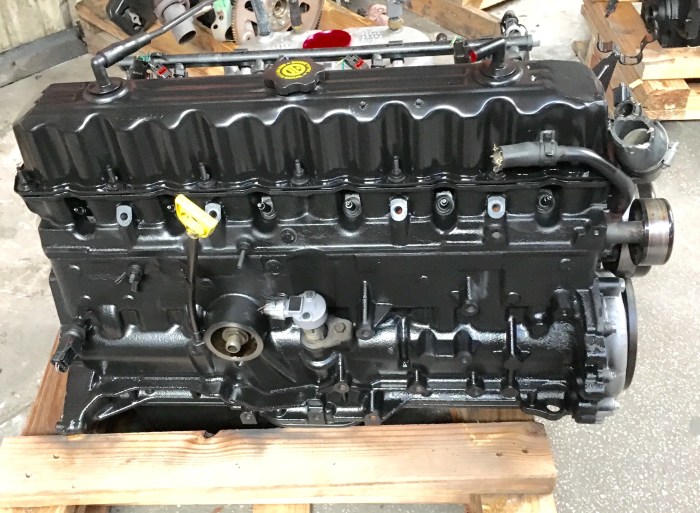
1. Engine Block & Cylinder Head
The Foundation
The engine block forms the structural base, housing the cylinders where pistons move up and down. The cylinder head sits atop the block, containing the valves, camshafts, and spark plugs (or injectors in diesel engines). Materials like cast iron or aluminum are commonly used, each offering different properties in terms of weight, durability, and heat dissipation.
Cracks, warping, and corrosion are potential issues requiring repair or replacement.
2. Pistons & Connecting Rods
Power Conversion
Pistons, driven by the expanding gases from combustion, move up and down within the cylinders. Connecting rods link the pistons to the crankshaft, converting the linear motion of the pistons into rotational motion. Worn pistons or connecting rods can lead to decreased power, increased engine noise, and potentially catastrophic engine failure. Regular oil changes are crucial for lubricating these components.
3. Crankshaft & Camshaft
Rotating Power
The crankshaft transforms the reciprocating motion of the pistons into rotational power, which drives the vehicle’s wheels via the transmission. The camshaft, synchronized with the crankshaft, opens and closes the intake and exhaust valves at precisely timed intervals. Worn bearings in the crankshaft or camshaft can cause vibrations and noise, impacting performance and potentially leading to significant damage.
4. Valves & Valve Train
Air and Exhaust Flow Control
Intake valves allow air and fuel to enter the cylinders, while exhaust valves expel the burnt gases. The valve train, consisting of lifters, pushrods (in some engines), rocker arms, and springs, ensures the precise opening and closing of these valves. Worn valve seals, sticking valves, or broken springs can lead to poor engine performance, reduced fuel economy, and increased emissions.
5. Spark Plugs (Gasoline) or Injectors (Diesel)
Ignition and Fuel Delivery
In gasoline engines, spark plugs ignite the air-fuel mixture within the cylinders, initiating combustion. Diesel engines utilize fuel injectors to spray fuel directly into the combustion chamber. Fouled spark plugs or clogged injectors can hinder engine performance, leading to misfires, rough running, and poor fuel economy. Regular maintenance, including spark plug replacement and injector cleaning, is essential.
Beyond the Internal Components: Essential Engine Ancillary Systems: Jeep Wrangler Engine Parts
The engine’s internal components are supported by a range of ancillary systems crucial for optimal performance and longevity. Let’s examine some key external components:
1. Oil System
Lubrication and Cooling
The oil system, comprising the oil pump, filter, and pan, circulates engine oil to lubricate moving parts, reducing friction and wear. Oil also helps cool the engine by absorbing heat. Using the correct oil weight and viscosity, as specified in your owner’s manual, and adhering to regular oil change intervals are critical for engine health.
Ignoring oil changes can lead to premature engine wear and failure.
2. Cooling System

Temperature Regulation
The cooling system, including the radiator, water pump, thermostat, and hoses, regulates engine temperature, preventing overheating. Leaks, clogged radiators, or malfunctioning thermostats can lead to overheating, potentially causing significant engine damage. Regular coolant flushes and inspections are recommended.
3. Intake System
Air Delivery
The intake system draws air into the engine, filtering out debris and delivering it to the cylinders. A dirty air filter restricts airflow, reducing engine performance and fuel economy. Regular air filter replacement is crucial.
4. Exhaust System
Waste Gas Management
The exhaust system removes burnt gases from the engine. Components include the exhaust manifolds, catalytic converter (to reduce emissions), muffler, and tailpipe. Leaks, blockages, or a failing catalytic converter can impact engine performance and increase emissions.
5. Ignition System (Gasoline Engines)
Spark Generation
The ignition system generates the high-voltage spark needed to ignite the air-fuel mixture in gasoline engines. Components include the ignition coil, distributor (in older systems), and ignition wires. Problems in the ignition system can lead to misfires and poor engine performance.
Common Jeep Wrangler Engine Problems and Solutions
Like any vehicle, Jeep Wranglers can experience engine-related issues. Some common problems include:
- Oil leaks: Often caused by worn seals or gaskets. Requires repair or replacement of the leaking components.
- Overheating: Can be due to a faulty thermostat, water pump, radiator, or low coolant levels. Requires diagnosis and repair of the underlying cause.
- Misfires: Caused by faulty spark plugs, ignition wires, or fuel injectors. Requires inspection and replacement of faulty components.
- Rough idling: May indicate a problem with the fuel system, ignition system, or vacuum leaks. Requires diagnostic testing to pinpoint the issue.
- Excessive engine noise: Could indicate worn bearings, timing chain/belt issues, or other internal component problems. Requires professional diagnosis and repair.
Jeep Wrangler Engine Maintenance: Keeping Your Wrangler Running Strong
Regular maintenance is crucial for prolonging the life and performance of your Jeep Wrangler’s engine. This includes:
- Regular oil changes, using the correct oil type and weight.
- Coolant flushes and inspections.
- Air filter replacement.
- Spark plug replacement (gasoline engines).
- Inspection of hoses, belts, and other components for wear and tear.
- Regular professional inspections and tune-ups.
Frequently Asked Questions (FAQ)
- Q: What is the most common engine problem in a Jeep Wrangler? A: Oil leaks are relatively common, particularly in older models. Overheating is another frequent concern.
- Q: How often should I change my Jeep Wrangler’s engine oil? A: Refer to your owner’s manual for the recommended oil change intervals, but generally, it’s recommended every 3,000-5,000 miles or every 3-6 months.
- Q: What type of oil should I use in my Jeep Wrangler? A: Consult your owner’s manual for the recommended oil type and viscosity.
- Q: How can I improve my Jeep Wrangler’s fuel economy? A: Maintaining proper tire pressure, regular maintenance, and avoiding aggressive driving can all help improve fuel economy.
- Q: Where can I find replacement engine parts for my Jeep Wrangler? A: You can find parts from Jeep dealerships, auto parts stores (like AutoZone, Advance Auto Parts, etc.), and online retailers.
Resources
Call to Action
Understanding your Jeep Wrangler’s engine components is key to ensuring its longevity and performance. Regular maintenance and prompt attention to any issues will keep your Wrangler conquering trails for years to come. Schedule your next service appointment today!
Question Bank
What are the most common problems with Jeep Wrangler engines?
Common issues include oil leaks, faulty sensors, and problems with the cooling system. Specific issues vary depending on the engine type and year of the vehicle.
How often should I change my Jeep Wrangler’s engine oil?
Consult your owner’s manual for the recommended oil change intervals, but generally, it’s advisable to change your oil every 3,000-5,000 miles or every 3-6 months, whichever comes first.
Where can I find genuine Jeep Wrangler engine parts?
Genuine parts can be purchased from authorized Jeep dealerships or reputable online retailers specializing in Jeep parts. Always verify the authenticity of parts to ensure quality and warranty coverage.