
Jeep Wrangler replacement parts are crucial for maintaining the iconic off-road vehicle’s performance and longevity. Finding the right parts can be a journey, but understanding the options available and the factors to consider ensures a smooth process. This guide explores the diverse world of Jeep Wrangler replacement parts, from essential mechanical components to cosmetic upgrades, offering insights into quality, sourcing, and installation.
The market offers a wide spectrum of parts, ranging from original equipment manufacturer (OEM) components to high-performance aftermarket alternatives. Understanding the differences in quality, price, and warranty is key to making informed decisions. We’ll delve into the specifics of various part categories, helping you navigate the choices and find the perfect fit for your Wrangler.
The Jeep Wrangler, a legendary off-road vehicle, demands respect and reliable performance. However, like any vehicle, regular wear and tear, demanding off-road adventures, or unforeseen accidents can necessitate the replacement of parts. Understanding the intricacies of Jeep Wrangler replacement parts is crucial for maintaining your vehicle’s performance, safety, and longevity. This comprehensive guide delves into the world of Wrangler parts, providing detailed information to help you navigate the process with confidence.
Understanding Jeep Wrangler Generations and Part Compatibility
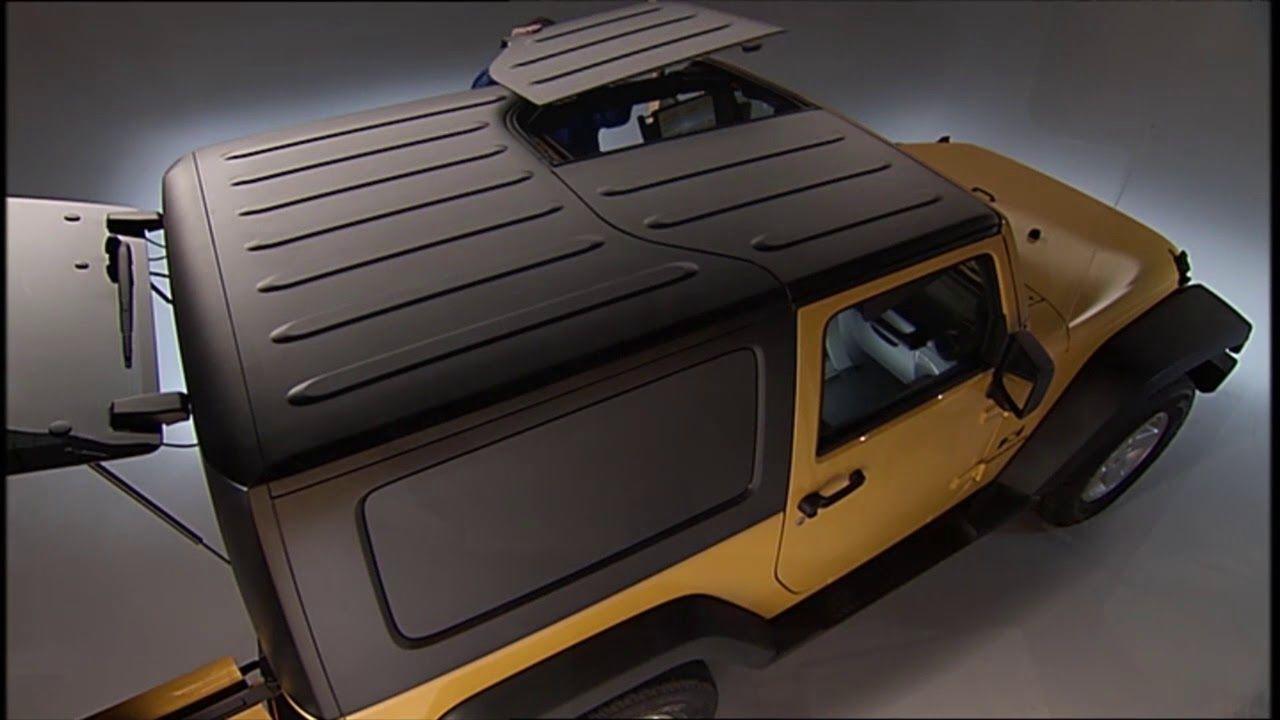
Before diving into specific parts, it’s essential to understand that Jeep Wranglers span several generations (YJ, TJ, JK, JL, and now the JT Gladiator), each with varying part compatibility. Parts from one generation may not always fit another. Always verify the part number and year compatibility with your specific Wrangler model before purchasing. This crucial step prevents costly mistakes and ensures a proper fit.
Identifying Your Jeep Wrangler Generation, Jeep Wrangler replacement parts
- YJ (1987-1995): The YJ Wrangler is the predecessor to the TJ, known for its boxy design and simpler mechanics.
- TJ (1997-2006): The TJ Wrangler introduced improvements in handling and performance over the YJ.
- JK (2007-2018): The JK Wrangler marked a significant upgrade in terms of refinement, technology, and off-road capability.
- JL (2018-Present): The JL Wrangler boasts a more modern design, improved technology, and enhanced off-road features.
- JT Gladiator (2019-Present): The JT Gladiator is Jeep’s pickup truck variant based on the JL Wrangler platform.
Common Jeep Wrangler Replacement Parts
Wranglers, especially those used for off-roading, require regular maintenance and occasional part replacements. Here’s a breakdown of common replacement parts:
Suspension and Steering Components
- Shocks and Struts: These are crucial for ride comfort and handling, especially after extensive off-road use. Look for high-quality replacement shocks designed for off-road use if you frequently tackle challenging terrains. Consider brands like Bilstein, Fox, and Rancho.
- Control Arms: These connect the axle to the chassis. Bent or damaged control arms compromise steering and handling, requiring immediate replacement.
- Tie Rods and Ball Joints: These components are vital for steering precision. Worn-out tie rods and ball joints can lead to imprecise steering and potential safety hazards.
- Steering Stabilizer: This helps dampen steering vibrations, especially on rough terrain. A worn-out stabilizer can make steering feel loose and unpredictable.
- Leaf Springs (or Coil Springs depending on model): These provide suspension support. Sagging or broken leaf springs drastically impact ride quality and handling.
Drivetrain Components
- Axle Shafts: These transmit power from the differential to the wheels. Damaged axle shafts can result in loss of traction or complete drivetrain failure.
- Universal Joints (U-joints): These connect the driveshafts, allowing for angular movement. Worn-out U-joints create vibrations and clicking noises.
- Driveshafts: These transfer power from the transmission to the axles. Damaged driveshafts can cause loss of power and drivetrain failure.
- Clutch (Manual Transmission): A worn-out clutch will slip, making it difficult to accelerate smoothly.
- Differential Gears: These are essential for power distribution to the wheels. Damaged gears can cause noises, vibrations, and loss of traction.
Body and Exterior Parts
- Fenders: These protect the body from debris and rocks. Damaged fenders can be replaced with aftermarket parts for customization.
- Bumpers: Wranglers are known for their rugged bumpers, but these can get damaged during off-roading. Replacement bumpers are readily available in various styles and materials.
- Lights: Headlights, taillights, and turn signals are essential for safety. Damaged or worn-out lights need immediate replacement.
- Windshield: Cracked or damaged windshields need to be replaced for safety and visibility.
- Doors and Windows: While less frequently replaced, these parts can be damaged in accidents or require replacement due to wear and tear.
Engine and Transmission Components
- Spark Plugs: Worn-out spark plugs reduce engine performance and fuel efficiency.
- Filters (Air, Oil, Fuel): Regular filter replacements are essential for engine health and performance.
- Belts and Hoses: Worn-out belts and hoses can lead to engine overheating or other serious problems.
- Sensors: Various sensors monitor engine performance. Faulty sensors can trigger check engine lights and impact engine efficiency.
- Brake Pads and Rotors: Worn-out brake pads and rotors compromise braking performance, a serious safety concern.
Where to Buy Jeep Wrangler Replacement Parts
You have several options for sourcing Jeep Wrangler replacement parts:
- Authorized Jeep Dealers: Dealers offer genuine OEM (Original Equipment Manufacturer) parts, guaranteeing quality and fit. However, they are typically the most expensive option.
- Online Retailers: Websites like Amazon, Quadratec, and ExtremeTerrain offer a vast selection of parts at competitive prices. Be sure to verify seller ratings and reviews before purchasing.
- Auto Parts Stores: Local auto parts stores like AutoZone, Advance Auto Parts, and NAPA Auto Parts carry many common Jeep Wrangler parts. They offer the convenience of in-person shopping and potential same-day pickup.
- Specialty Off-Road Shops: These stores cater specifically to off-road enthusiasts and offer a wide range of aftermarket parts for increased performance and customization.
Frequently Asked Questions (FAQ)
- Q: How can I identify the correct part for my Jeep Wrangler? A: Always use your Jeep’s VIN (Vehicle Identification Number) to ensure part compatibility. Cross-reference part numbers with online catalogs or your Jeep dealer.
- Q: What is the difference between OEM and aftermarket parts? A: OEM parts are manufactured by the original equipment manufacturer (Jeep in this case). Aftermarket parts are made by other companies and may offer different quality levels and prices.
- Q: How often should I replace my Jeep Wrangler’s fluids? A: Consult your owner’s manual for recommended fluid change intervals. Regular fluid changes are crucial for maintaining engine and drivetrain health.
- Q: Can I install replacement parts myself? A: Some parts are relatively easy to install, while others require specialized tools and knowledge. If you’re unsure, consult a qualified mechanic.
- Q: Where can I find a reliable Jeep Wrangler repair manual? A: Your owner’s manual contains basic maintenance information. More detailed repair manuals are available online and at auto parts stores.
Conclusion
Maintaining your Jeep Wrangler requires attention to detail and the right parts. By understanding the different generations, common replacement needs, and sourcing options, you can keep your Wrangler in top condition for years to come. Remember to always prioritize safety and consult a professional if you’re unsure about any repair or replacement.
Call to Action
Ready to tackle your Jeep Wrangler’s maintenance needs? Browse our extensive selection of high-quality replacement parts today! Click here to start shopping!
FAQ: Jeep Wrangler Replacement Parts
What is the difference between OEM and aftermarket parts?
OEM parts are manufactured by the original vehicle manufacturer, while aftermarket parts are produced by third-party companies. OEM parts generally offer a higher level of quality and fit but often come at a higher price.
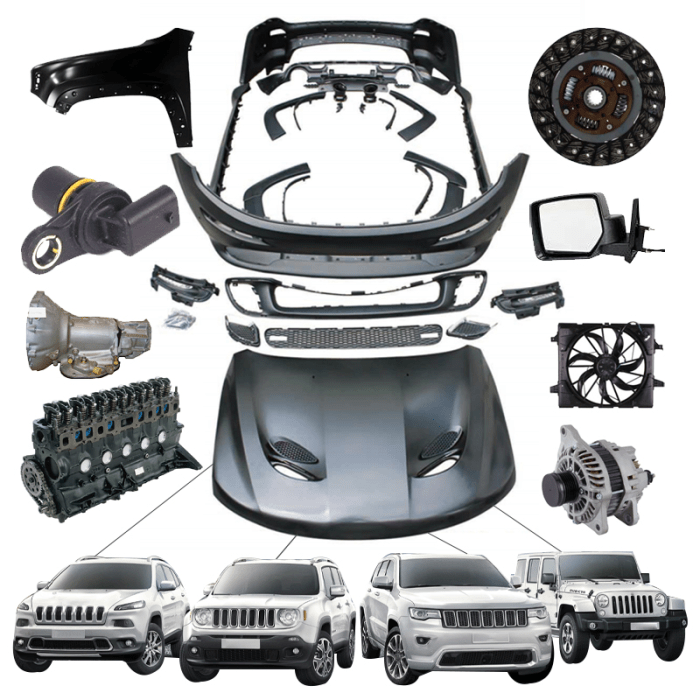
Where can I find reliable Jeep Wrangler replacement parts?
Reputable online retailers, authorized Jeep dealers, and specialized off-road parts suppliers are good sources. Always check reviews and ratings before purchasing.
How do I know if a part is compatible with my Jeep Wrangler?
Check the part number and your Jeep Wrangler’s year, make, and model. Many online retailers offer compatibility checkers to ensure a proper fit.
What are some common Jeep Wrangler parts that wear out quickly?
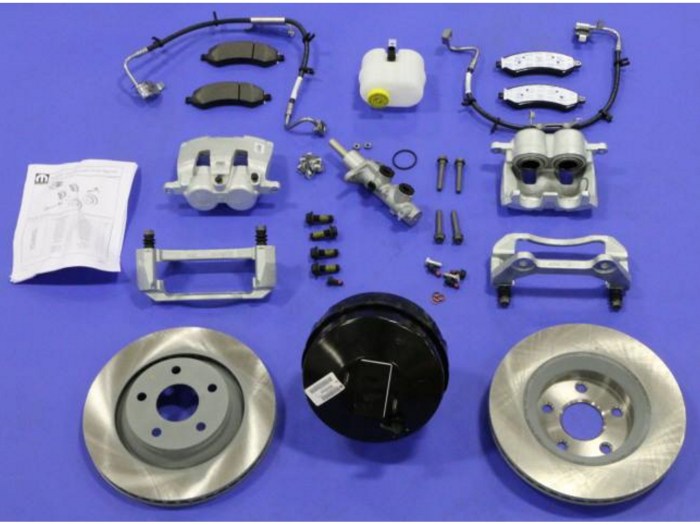
Brake pads, tires, and suspension components are often replaced frequently, depending on usage and driving conditions.