
Jeep off-road parts represent more than just accessories; they’re the key to unlocking the full potential of your Jeep’s rugged capabilities. From enhancing ground clearance and traction to bolstering durability and adding personalized style, these parts transform your vehicle into a true off-road champion. Whether you’re tackling challenging trails or simply enjoying the thrill of exploring uncharted territory, the right off-road components can significantly elevate your driving experience and provide the confidence needed to conquer any terrain.
Choosing the correct parts requires understanding your specific needs and driving style. Factors such as the type of terrain you frequently encounter, the level of modification you desire, and your budget all play a crucial role in selecting the optimal upgrades. This includes considering everything from suspension lifts and larger tires to winches, bumpers, and skid plates—each designed to improve performance and safety in demanding conditions.
Careful consideration and research will ensure your Jeep is equipped to handle whatever adventure awaits.
The Jeep brand is synonymous with off-road capability, but even the most rugged Jeep can benefit from upgrades. This comprehensive guide delves into the world of Jeep off-road parts, exploring various components, their functions, and how they enhance your vehicle’s performance and durability on challenging terrains. Whether you’re a seasoned off-roader or a weekend warrior, understanding these parts is crucial for maximizing your Jeep’s potential.
Essential Jeep Off-Road Parts: Suspension & Lift Kits
A solid suspension system is the backbone of any successful off-road vehicle. Upgrading your Jeep’s suspension is often the first step towards serious off-roading. This involves several key components:
Lift Kits: Heightening Your Capabilities
Lift kits increase your Jeep’s ground clearance, allowing you to navigate obstacles more easily. Different types of lift kits exist, including body lifts (raising the body relative to the frame) and suspension lifts (modifying the suspension components themselves). Suspension lifts are generally preferred for their improved handling and articulation. Consider factors like lift height (measured in inches), spring type (coil springs, leaf springs), and shock absorber type when choosing a lift kit.

Incorrectly installed lift kits can negatively impact handling and vehicle stability, so professional installation is often recommended.
Shocks and Struts: Absorbing the Impact
Off-road driving subjects your shocks and struts to significant stress. Upgraded shocks, often featuring longer travel and increased damping, are crucial for maintaining control and comfort on uneven terrain. Consider gas-charged or coilover shocks for enhanced performance. The choice depends on your driving style and the terrain you frequently encounter. Remember to select shocks specifically designed for your lift height and Jeep model.
Springs and Coils: Supporting the Weight
Springs and coils provide the primary suspension support. Upgraded springs, often heavier-duty versions, offer improved load capacity and articulation. They work in conjunction with shocks and struts to absorb impacts and maintain stability. Choosing the right spring rate is vital; too stiff, and the ride becomes harsh; too soft, and the vehicle will lack control.
Enhancing Traction: Tires and Wheels
Tires are your Jeep’s primary contact point with the ground, and choosing the right ones is paramount for off-road performance. Consider these factors:
Off-Road Tires: Conquering the Terrain
Off-road tires feature aggressive tread patterns designed for maximum traction on loose surfaces like mud, sand, rocks, and snow. Different tire types are optimized for specific terrains: mud-terrain tires for extreme mud, all-terrain tires for a balance of on-road and off-road performance, and sand tires for loose sandy conditions. Tire size significantly impacts ground clearance and gearing. Always check your Jeep’s specifications to ensure compatibility.
Wheels: Strength and Style
Off-road wheels are typically constructed from stronger materials like steel or aluminum alloys to withstand the rigors of off-road driving. They often feature higher offsets and beadlock capabilities for improved tire retention. Wheel size and offset influence the overall look and feel, as well as ground clearance. Ensure that your wheels are compatible with your chosen tires and lift kit.
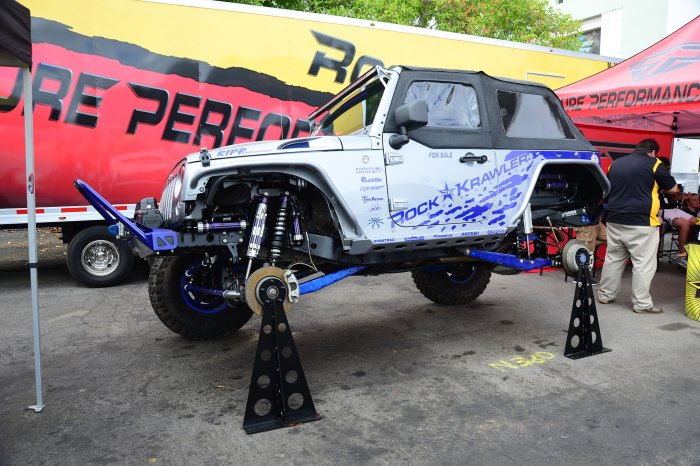
Protecting Your Jeep: Armor and Skid Plates: Jeep Off-road Parts
Off-roading inevitably exposes your Jeep to rocks, branches, and other obstacles. Protective armor is essential to prevent damage to vital components:
Skid Plates: Shielding the Undercarriage, Jeep off-road parts
Skid plates are metal plates that protect the undercarriage of your Jeep from damage. They cover vulnerable areas like the oil pan, transfer case, and differential. Skid plates are crucial for protecting expensive components from rocks and other debris. Different materials and thicknesses are available, offering varying levels of protection.
Bumper Guards: Front and Rear Protection
Sturdy bumpers, often featuring integrated winch mounts, offer enhanced protection for the front and rear of your Jeep. They can withstand significant impacts and provide mounting points for additional accessories. Consider winch-capable bumpers for added recovery capabilities.
Rock Sliders: Side Protection
Rock sliders, also known as side steps, protect the sides of your Jeep from rocks and other obstacles. They are crucial for preventing damage to the doors, rocker panels, and other vulnerable areas. They can also provide additional steps for easier entry and exit.
Improving Performance: Drivetrain Upgrades
Modifying your Jeep’s drivetrain can significantly improve its off-road performance:
Axle Upgrades: Increased Strength and Capability
Upgraded axles, often featuring stronger shafts and gears, can handle increased stress and torque, allowing for more aggressive off-roading. Axle upgrades are particularly important for Jeeps that are frequently used for heavy-duty off-roading.
Gear Ratios: Optimizing Performance
Changing gear ratios, through the use of gears, modifies the relationship between engine speed and wheel speed. Lower gear ratios (higher numerical value) provide increased torque at lower speeds, improving performance on steep inclines and challenging terrain. This is often achieved through re-gearing differentials.

Winches: Recovery and Rescue
A winch is an invaluable tool for self-recovery in challenging situations. It allows you to pull your Jeep out of difficult spots without relying on external assistance. Consider the winch’s pulling capacity (measured in pounds) and its compatibility with your bumper.
Other Essential Accessories
Beyond the major components, several other accessories enhance your Jeep’s off-road capabilities:
- Snorkel: Allows for air intake from a higher position, preventing water ingestion when fording deep water.
- Recovery Gear: Shackles, straps, and gloves are essential for safe and effective vehicle recovery.
- Lighting: High-intensity off-road lights provide better visibility in low-light conditions.
- Communication Systems: Two-way radios facilitate communication with other off-roaders.
- Differential Lockers: Improve traction by forcing both wheels on an axle to rotate at the same speed.
Frequently Asked Questions (FAQ)
- Q: How much does a lift kit cost? A: The cost varies significantly depending on the lift height, brand, and components included. Expect to pay anywhere from a few hundred dollars to several thousand dollars.
- Q: Do I need a lift kit to install larger tires? A: Larger tires often require a lift kit to prevent rubbing against the fenders and other components.
- Q: What is the best type of off-road tire? A: The best tire depends on the type of terrain you’ll be driving on. Mud-terrain tires are excellent for mud, while all-terrain tires offer a good balance of on and off-road performance.
- Q: Are skid plates necessary? A: Skid plates are highly recommended for protecting your Jeep’s undercarriage from damage. They are particularly important for serious off-roading.
- Q: Can I install off-road parts myself? A: Some parts are relatively easy to install, while others require specialized tools and expertise. Professional installation is often recommended for complex modifications.
Resources
Conclusion
Upgrading your Jeep with off-road parts can significantly enhance its capabilities and durability. By carefully selecting and installing appropriate components, you can transform your Jeep into a formidable off-road machine. Remember to prioritize safety and always consult with professionals when needed.
Call to Action
Ready to take your Jeep’s off-road adventures to the next level? Start exploring the vast selection of Jeep off-road parts available today and embark on your next epic journey!
Questions Often Asked
What is the difference between a lift kit and a leveling kit?
A lift kit raises the entire vehicle, increasing ground clearance. A leveling kit only adjusts the front or rear suspension to level the vehicle’s stance.
How do I choose the right size tires for my Jeep?
Tire size depends on your lift kit, wheel size, and desired performance. Consult a tire professional or online resources for guidance.
Are aftermarket parts covered by warranty?
Generally, aftermarket parts void manufacturer warranties. Check with your Jeep dealer and the part manufacturer for specifics.