
Jeep replacement parts are crucial for maintaining the legendary off-road capability and longevity of your Jeep. Whether you’re tackling a challenging trail or simply ensuring your vehicle remains reliable for daily commutes, having access to high-quality parts is essential. This guide explores the world of Jeep parts, helping you navigate the options and find the perfect fit for your specific needs and model.
From essential engine components and drivetrain parts to body panels and interior accessories, the market offers a vast selection. Understanding the differences between OEM (Original Equipment Manufacturer) parts, aftermarket parts, and their respective price points is key to making informed decisions. We’ll delve into factors to consider when choosing replacements, ensuring your Jeep stays in top condition.
Owning a Jeep is more than just driving a vehicle; it’s about embracing a lifestyle. Whether you’re conquering rugged terrains in a Wrangler, cruising down the highway in a Grand Cherokee, or navigating city streets in a Renegade, your Jeep requires regular maintenance and, inevitably, replacement parts. This comprehensive guide delves into the world of Jeep replacement parts, offering insights into finding the right components, understanding their quality, and ensuring a smooth repair or upgrade process.
Understanding Jeep Parts: OEM vs. Aftermarket
Before diving into specific parts, it’s crucial to understand the difference between Original Equipment Manufacturer (OEM) parts and aftermarket parts. OEM parts are manufactured by the same company that built your Jeep (Stellantis, formerly Fiat Chrysler Automobiles). These parts are designed to meet the manufacturer’s exact specifications and typically offer the best fit and performance. However, they often come with a higher price tag.
Aftermarket parts, on the other hand, are manufactured by third-party companies. They can range significantly in quality and price. While some aftermarket parts offer excellent value and performance comparable to OEM parts, others may fall short in terms of durability and longevity. It’s essential to research brands and read reviews before purchasing aftermarket components.

Choosing Between OEM and Aftermarket: Factors to Consider
- Budget: Aftermarket parts are generally more affordable than OEM parts.
- Warranty: OEM parts often come with longer warranties.
- Quality: The quality of aftermarket parts can vary greatly. Research brands and read reviews carefully.
- Fit and Finish: OEM parts are guaranteed to fit perfectly, while aftermarket parts may require some adjustments.
- Performance: High-quality aftermarket parts can sometimes offer improved performance over OEM parts.
Common Jeep Replacement Parts and Their Importance
Jeeps, like any vehicle, have numerous parts that may require replacement over time. Here are some of the most common components:
Engine Parts
- Spark Plugs: Essential for ignition; worn plugs can reduce fuel efficiency and engine performance. Regular replacement is crucial.
- Air Filter: Filters out contaminants from the air intake; a clogged filter restricts airflow and reduces engine performance. Replace as recommended in your owner’s manual.
- Oil Filter: Filters out contaminants from the engine oil; regular replacement is vital for engine lubrication and longevity.
- Timing Belt/Chain: Synchronizes the crankshaft and camshaft; failure can cause catastrophic engine damage. Replacement intervals vary depending on the Jeep model and engine.
- Alternator: Charges the battery; a faulty alternator can leave you stranded. Listen for unusual noises or check the battery voltage if you suspect a problem.
Suspension and Steering Parts
- Shocks and Struts: Absorb shocks and vibrations; worn shocks and struts compromise handling and ride comfort. Look for signs of leaking or damage.
- Control Arms: Connect the suspension to the chassis; worn control arms affect steering and handling.
- Ball Joints: Connect the control arms to the steering knuckles; worn ball joints can cause clunking noises and affect steering precision.
- Tie Rod Ends: Part of the steering linkage; worn tie rod ends can affect steering responsiveness and stability.
- Steering Pump: Assists in steering; a faulty steering pump can make steering difficult or impossible.
Brake System Parts, Jeep replacement parts
- Brake Pads: Provide friction to slow the vehicle; worn brake pads reduce braking effectiveness. Listen for squealing or grinding noises.
- Brake Rotors: Discs that the brake pads grip; worn rotors can cause uneven braking and vibrations.
- Brake Calipers: Squeeze the brake pads against the rotors; faulty calipers can lead to uneven braking or brake failure.
- Brake Lines: Carry brake fluid; damaged brake lines can result in brake failure. Check for leaks and corrosion.
- Master Cylinder: The main component of the braking system; a faulty master cylinder can lead to complete brake failure.
Body Parts
- Headlights: Essential for night driving; damaged or cloudy headlights should be replaced for safety.
- Taillights: Signal braking and turning; broken taillights are a safety hazard.
- Bumpers: Protect the vehicle in collisions; damaged bumpers should be repaired or replaced.
- Fenders: Protect the wheels and tires; damaged fenders can affect aerodynamics and appearance.
- Doors and Windows: Essential for access and weather protection; damaged doors or windows should be repaired or replaced.
Where to Buy Jeep Replacement Parts
You have several options when it comes to purchasing Jeep replacement parts:
- Jeep Dealerships: Offer OEM parts but usually at a higher price.
- Online Retailers: Offer a wide selection of OEM and aftermarket parts at varying price points; always check reviews and seller ratings.
- Auto Parts Stores: Both national chains and local stores offer a range of parts, but availability may vary.
- Specialty Jeep Parts Suppliers: Cater to Jeep enthusiasts and may offer unique or hard-to-find parts.
Maintaining Your Jeep: Tips for Longevity
Regular maintenance is key to extending the life of your Jeep and minimizing the need for frequent part replacements. Follow your owner’s manual’s recommended maintenance schedule, which includes oil changes, fluid flushes, and inspections of key components. Addressing minor issues promptly can prevent them from escalating into more costly repairs.

Frequently Asked Questions (FAQ)
- Q: How do I know if I need to replace a part? A: Pay attention to unusual noises, vibrations, leaks, or changes in performance. Consult your owner’s manual or a qualified mechanic.
- Q: Are aftermarket parts reliable? A: The reliability of aftermarket parts varies greatly depending on the brand and quality. Research thoroughly before purchasing.
- Q: How can I find the right part for my Jeep? A: Use your Jeep’s Vehicle Identification Number (VIN) or consult a parts catalog or online retailer’s website.
- Q: How much do Jeep replacement parts cost? A: Prices vary greatly depending on the part, its quality (OEM vs. aftermarket), and the retailer.
- Q: Can I install parts myself? A: Some parts are relatively easy to install, while others require specialized tools and knowledge. If you’re unsure, consult a qualified mechanic.
Resources: Jeep Replacement Parts
Call to Action
Ready to keep your Jeep running smoothly? Browse our selection of high-quality Jeep replacement parts today and experience the difference! Click here to shop now!
Question Bank
Where can I find reliable Jeep replacement parts?
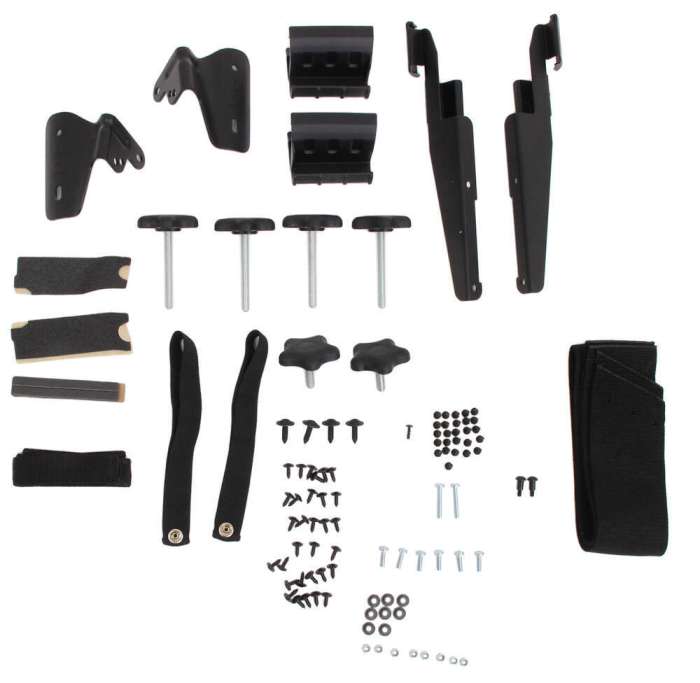
Reputable online retailers, authorized Jeep dealerships, and local auto parts stores are good sources. Always check reviews before purchasing.
What is the difference between OEM and aftermarket parts?
OEM parts are manufactured by the original vehicle manufacturer, while aftermarket parts are made by other companies. OEM parts are generally more expensive but often offer a better fit and guarantee.
How do I know which parts I need?
Consult your owner’s manual or a qualified mechanic. Providing your Jeep’s year, make, and model will help parts suppliers identify the correct components.