
Jeep transmission parts are the unsung heroes of off-road adventures and daily commutes alike. Understanding their function, maintenance, and potential issues is crucial for ensuring your Jeep’s longevity and performance. This guide delves into the intricacies of Jeep transmissions, exploring common components, troubleshooting tips, and the importance of regular servicing to keep your Jeep running smoothly on any terrain.
From the robust automatics designed to handle demanding off-road conditions to the precise manuals favored by enthusiasts, Jeep transmissions represent a significant investment in your vehicle. Knowing how to identify potential problems, select quality replacement parts, and maintain your transmission can save you time, money, and potential headaches down the road. We’ll cover a range of topics, from identifying transmission fluid leaks to understanding the role of various internal components.

Jeep vehicles, renowned for their off-road capabilities and rugged durability, rely heavily on their transmission systems. Understanding the intricacies of Jeep transmission parts is crucial for maintaining optimal performance, addressing potential issues, and ensuring a long lifespan for your vehicle. This comprehensive guide explores various Jeep transmission components, common problems, maintenance tips, and frequently asked questions to provide a detailed overview for both novice and experienced Jeep owners.
Understanding Jeep Transmission Types
Jeep vehicles utilize a variety of transmission types, each designed to meet specific performance and off-road needs. The most common types include:
Manual Transmissions, Jeep transmission parts
Manual transmissions, often favored by enthusiasts for their control and simplicity, involve the driver directly selecting gears. These transmissions typically feature a clutch mechanism to engage and disengage power to the wheels. Common components within a Jeep manual transmission include:
- Clutch Assembly: This includes the clutch disc, pressure plate, throw-out bearing, and related components responsible for transferring engine power to the transmission.
- Gearset: The collection of gears that allow for different speed and torque ratios.
- Shift Linkage: The system that connects the shifter to the transmission’s internal gear selection mechanism.
- Transmission Case: The housing that protects all internal components.
- Input Shaft and Output Shaft: These shafts transfer power through the gearset.
Automatic Transmissions
Automatic transmissions offer convenience and smoother shifting. They use a complex system of planetary gears, hydraulics, and electronic controls to automatically select the appropriate gear ratio. Key components include:
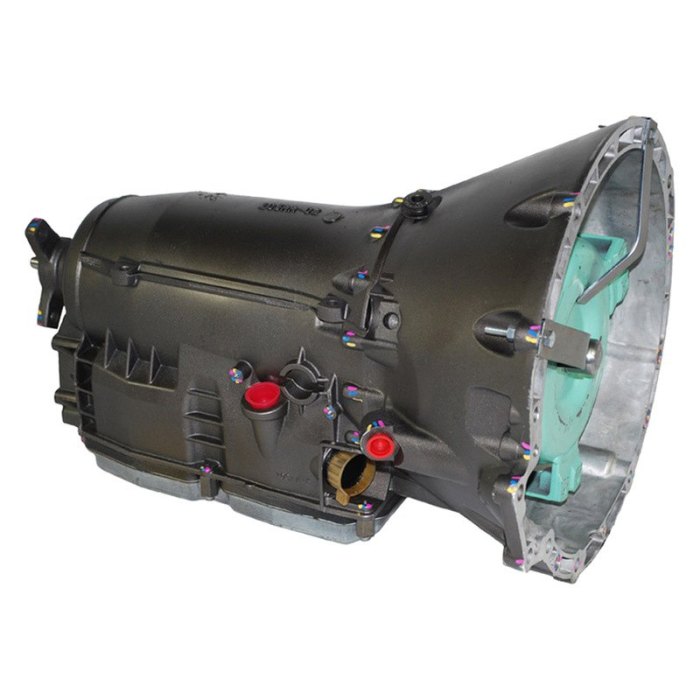
- Torque Converter: This acts as a fluid coupling between the engine and transmission, allowing for smoother starts and operation.
- Planetary Gearsets: A system of gears that allows for various gear ratios.
- Valve Body: This controls the flow of hydraulic fluid to engage and disengage clutches and bands within the transmission.
- Solenoids and Sensors: These electronic components monitor transmission operation and adjust shifting behavior.
- Transmission Control Module (TCM): The “brain” of the automatic transmission, responsible for managing shifting strategies and diagnostics.
Automatic Transmissions with Specific Features
Some Jeep models feature advanced automatic transmissions with specific features designed for off-road use. These might include:
- Low-Range Gearing: Provides extra torque for tackling challenging terrain.
- Electronic Shift-on-the-Fly: Allows the driver to change between 2WD and 4WD on the go.
- Adaptive Shift Control: Adjusts shifting based on driving conditions and terrain.
Common Jeep Transmission Problems
Like any mechanical system, Jeep transmissions can experience issues over time. Some common problems include:
- Slipping Gears: This often indicates worn clutches or bands in automatic transmissions, or problems with the clutch in manual transmissions.
- Hard Shifting: This can result from low transmission fluid, worn components, or problems with the valve body (automatic) or linkage (manual).
- Transmission Leaks: Leaks can be caused by worn seals, gaskets, or cracked transmission cases. Addressing leaks promptly is crucial to prevent further damage.
- Whining or Grinding Noises: These noises often indicate worn gears or bearings within the transmission.
- Complete Transmission Failure: This is often the culmination of neglected maintenance or severe damage to internal components.
Jeep Transmission Maintenance
Regular maintenance is essential for prolonging the life of your Jeep’s transmission. This includes:
- Fluid Changes: Following the manufacturer’s recommended schedule for transmission fluid changes is crucial. Using the correct type of fluid is also vital.
- Filter Changes (Automatic Transmissions): Regular filter changes help remove debris and keep the transmission clean.
- Regular Inspections: Check for leaks, unusual noises, or difficulty shifting.
- Professional Service: Regular professional inspections and servicing can help identify potential problems early on.
Choosing Replacement Parts
When replacement parts are needed, choosing high-quality components is essential. Consider these factors:
- OEM Parts: Original Equipment Manufacturer parts are guaranteed to fit and perform as expected.
- Aftermarket Parts: Aftermarket parts can be a more cost-effective option, but it’s crucial to choose reputable brands with a proven track record.
- Warranty: Check the warranty offered on any replacement parts to ensure protection against defects.
Frequently Asked Questions (FAQ)
- Q: How often should I change my Jeep’s transmission fluid? A: Consult your owner’s manual for the recommended service intervals. Generally, automatic transmissions require more frequent fluid changes than manual transmissions.
- Q: What are the signs of a failing Jeep transmission? A: Signs include slipping gears, hard shifting, unusual noises (whining, grinding), leaks, and difficulty shifting.
- Q: How much does a Jeep transmission repair cost? A: The cost varies greatly depending on the type of repair, the severity of the damage, and the labor rates in your area. Minor repairs might cost a few hundred dollars, while major repairs or replacements can cost thousands.
- Q: Can I repair my Jeep transmission myself? A: Transmission repair is complex and requires specialized tools and knowledge. Unless you have extensive mechanical experience, it’s best to leave transmission repairs to qualified professionals.
- Q: What type of transmission fluid should I use in my Jeep? A: Always refer to your owner’s manual for the correct type and specification of transmission fluid for your specific Jeep model and year.
Resources: Jeep Transmission Parts
For further information and technical specifications, refer to the following resources:
- Jeep Official Website
- Mopar Parts Website (for OEM parts)
- (Add other relevant resources like repair manuals or reputable automotive websites here)
Conclusion
Understanding your Jeep’s transmission system is crucial for maintaining its performance and longevity. By understanding the various components, potential problems, and maintenance requirements, you can ensure your Jeep continues to provide years of reliable off-road adventures. Remember to always consult your owner’s manual and seek professional assistance when necessary.
Call to Action
Schedule your Jeep’s next transmission service today! Contact your local Jeep dealership or a trusted mechanic to ensure your vehicle remains in optimal condition.
Question Bank
What are the signs of a failing Jeep transmission?
Signs include slipping gears, harsh shifting, unusual noises, fluid leaks, and a burning smell.
How often should I change my Jeep transmission fluid?
Consult your owner’s manual for the recommended interval; generally, it’s every 30,000-60,000 miles or as needed.
Can I perform transmission maintenance myself?
Basic maintenance like fluid checks are possible, but complex repairs should be left to professionals.
What type of transmission fluid does my Jeep use?
Check your owner’s manual; the type of fluid varies depending on the year and model of your Jeep.